Blog
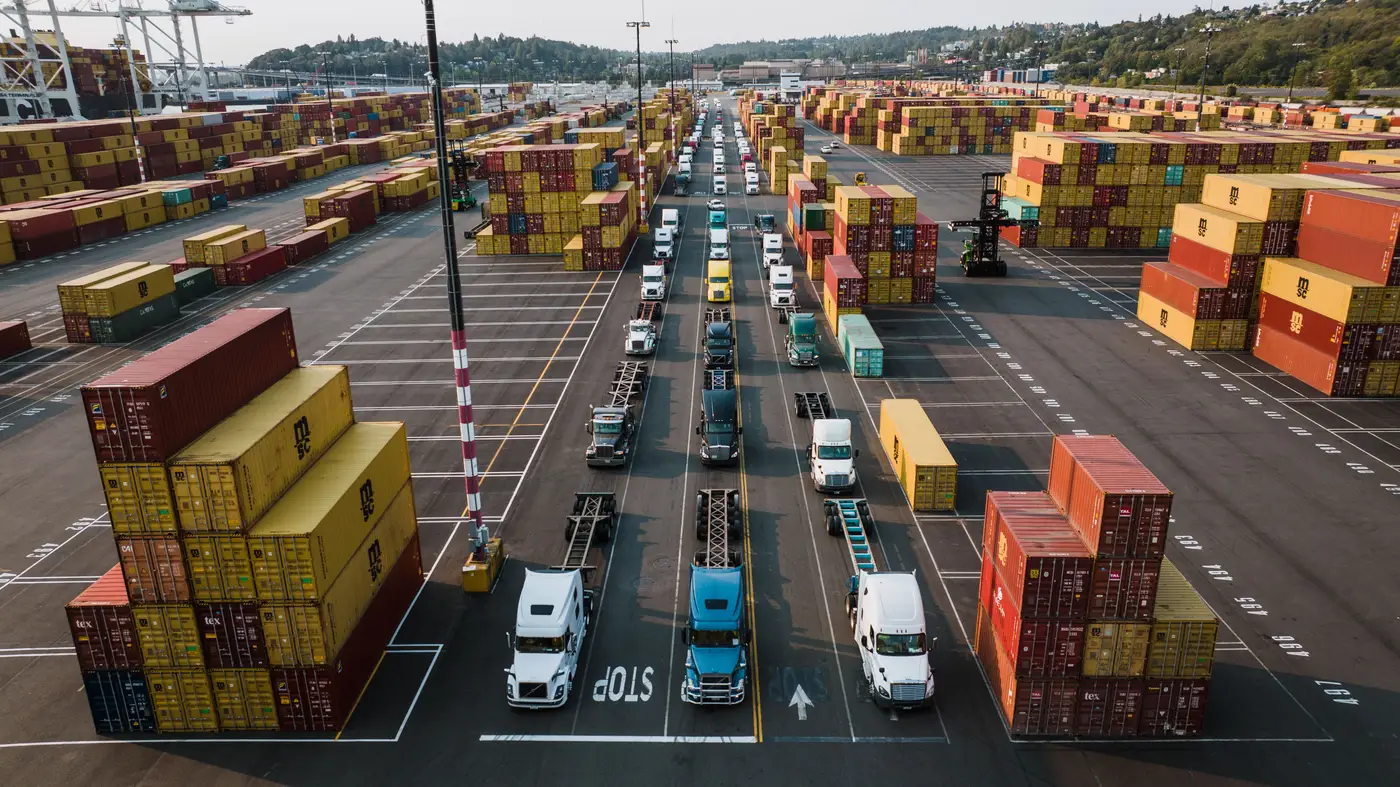 Field notes: the week the yard answered a question the port's stats couldn't
A planning-desk story about the gap between monthly TEU releases and what's stacked in the yard right now, and why that gap matters.
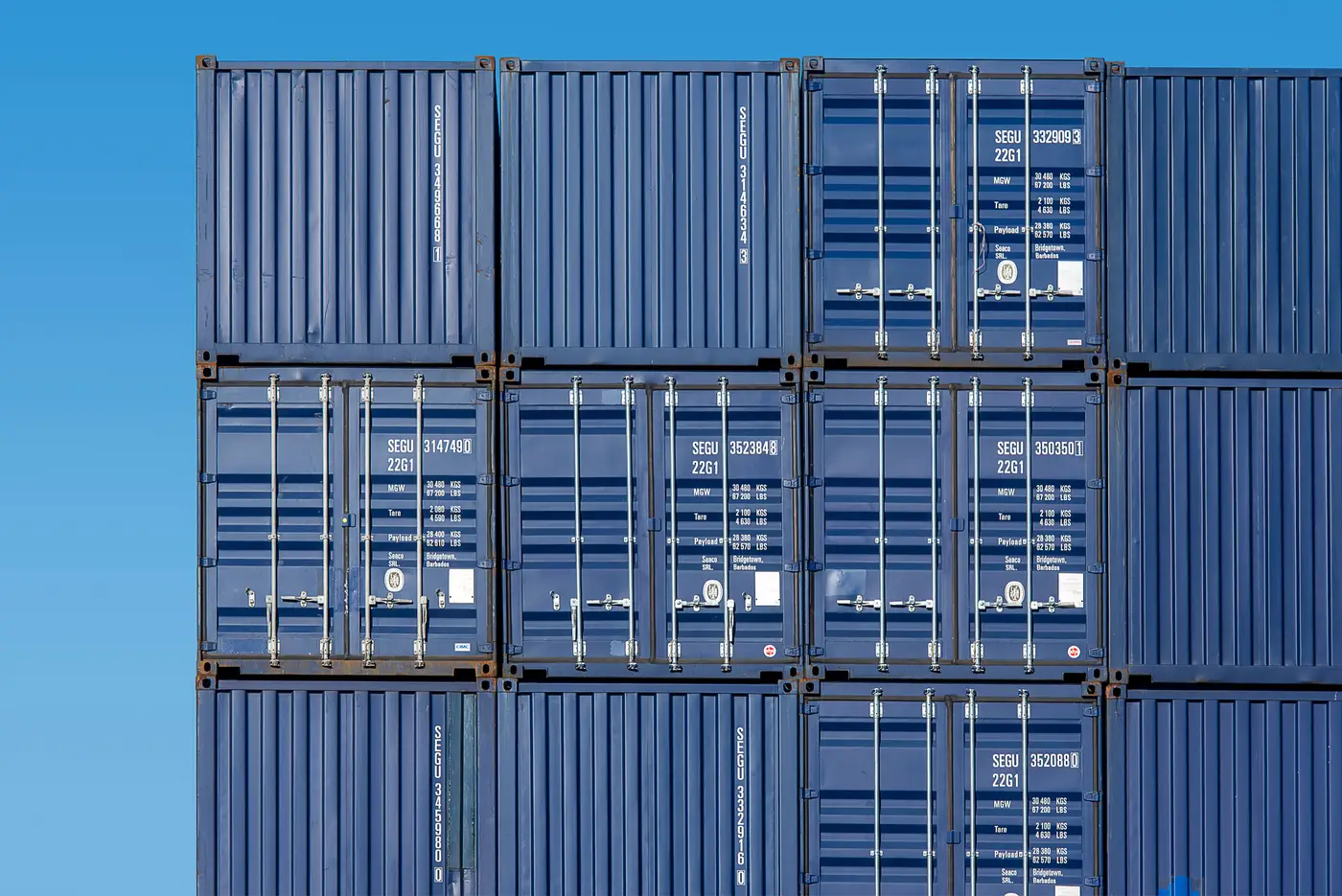 Static capacity vs throughput capacity: what actually caps a terminal
A terminal capacity analyst's breakdown of static yard capacity, design/nominal capacity, and the practical ceiling a terminal runs into.
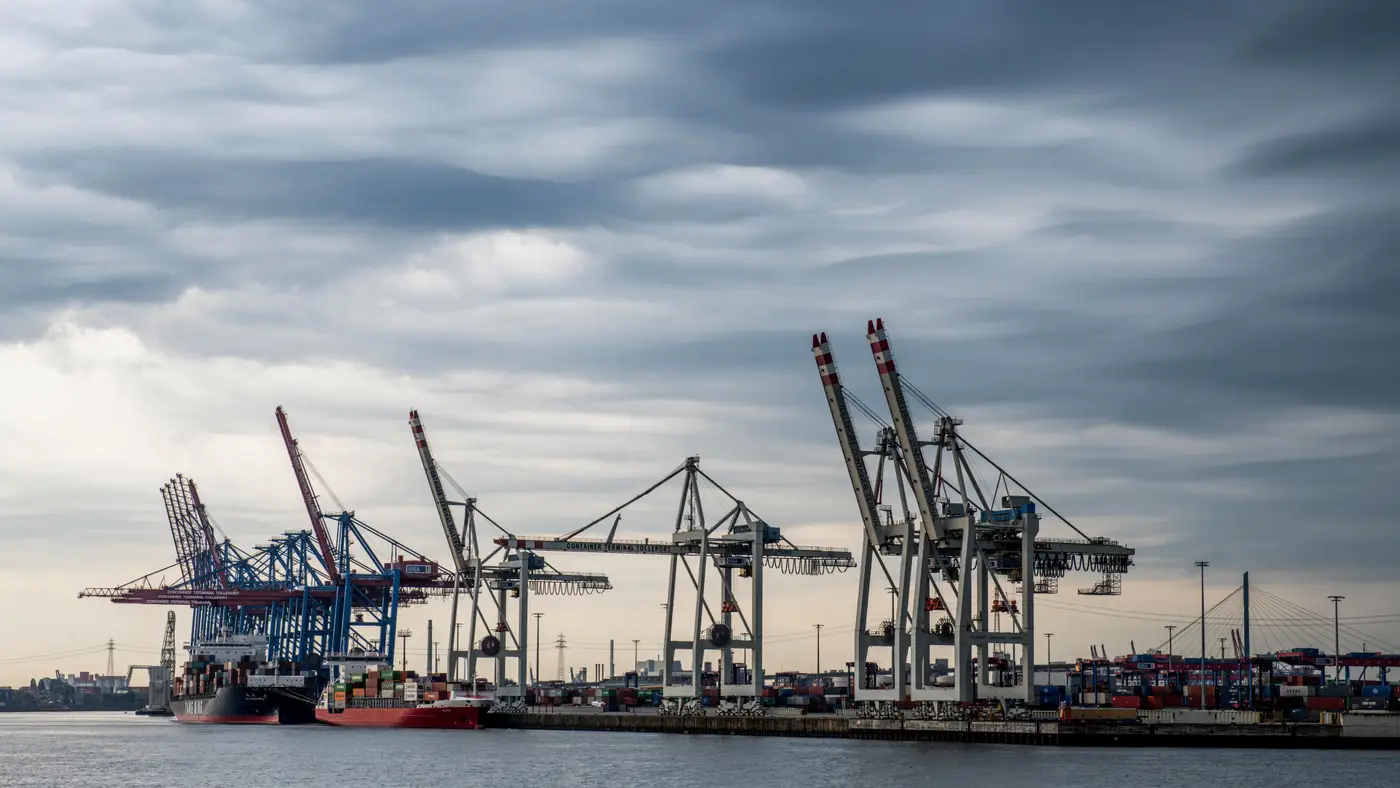 Telling a yard crane from a container stack in satellite imagery
A field guide to reading ASC and RTG shadows versus stacked boxes in VHR imagery, and the checks that stop a crane boom miscount.
- Landside vs. waterside: reading a yard split for capacity
What landside-to-waterside split means in a container yard, and why block orientation changes how you should read a capacity number.
- Field notes: the bay that filled up before the vessel ever hit the schedule
A yard bay stacked out days ahead of the vessel's schedule entry. What that gap between stack and schedule actually tells a planner.
- How to tell a container terminal from a bulk terminal in satellite imagery
A field guide to reading port imagery: the crane types, stack shapes, and storage patterns that separate container berths from bulk terminals.
- Empty container depot vs container terminal: spotting the difference
How to tell an empty container depot from a container terminal in satellite imagery, using crane, stack height, and layout cues.
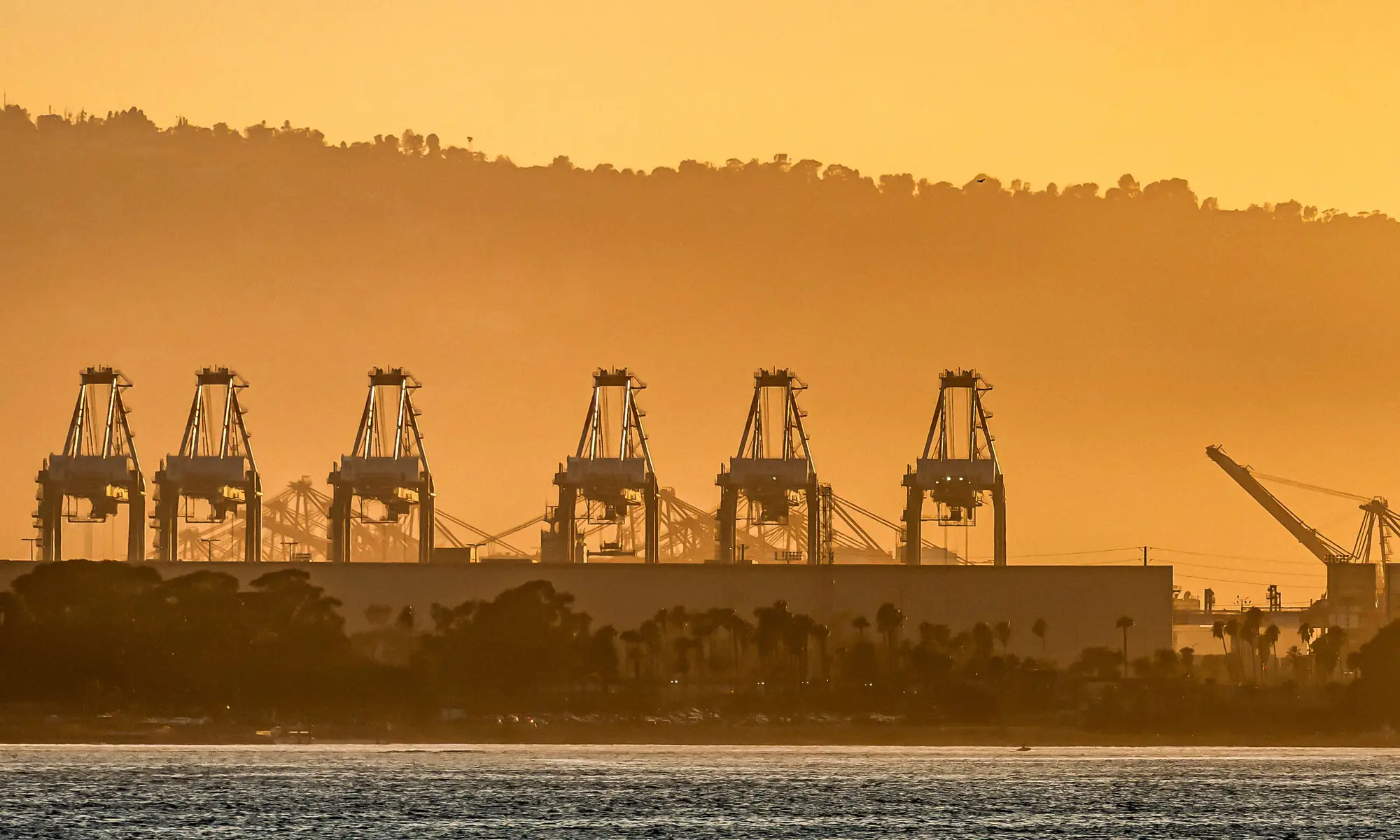 Estimating berth productivity from a daily container count
How to turn a daily box count per bay into a berth productivity estimate, with the adjustments that separate a rough read from a real one.
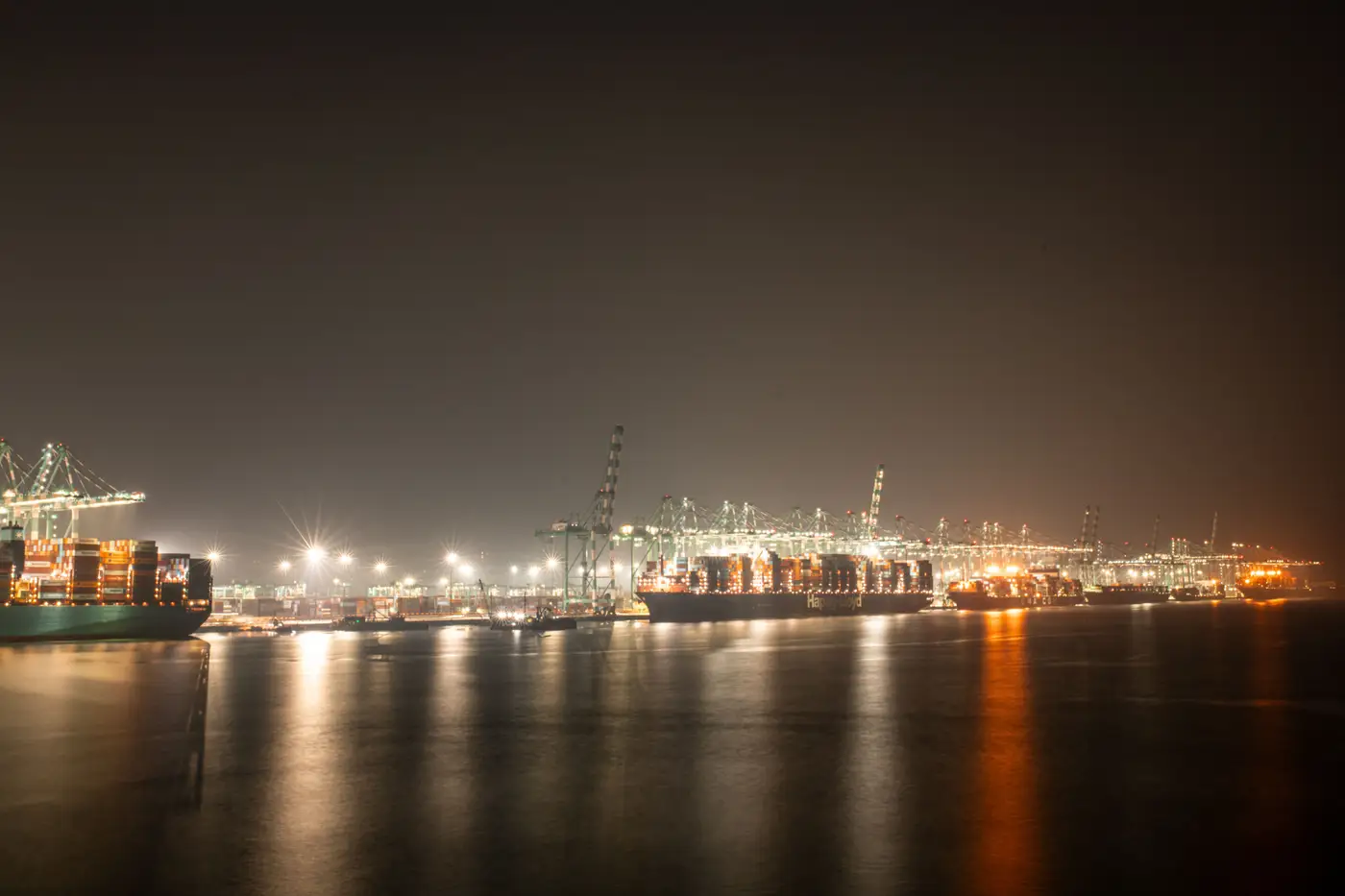 Field notes: the week the yard blew past what the vessel schedule predicted
A field-notes account of the week yard inventory outran what vessel arrivals predicted, and what daily box counts caught that AIS and schedules missed.
- How often do port authorities publish TEU throughput statistics?
A look at typical monthly TEU release schedules, why the publishing lag runs four to six weeks, and what to watch in the meantime.
- How many containers fit in a 40-foot ground slot?
A 40-foot ground slot's capacity comes down to stack height limits, not footprint. Here's how planners work out slot occupancy.
- Monthly TEU statistics vs daily terminal counts: how analysts close the gap
Monthly TEU releases lag weeks behind actual terminal activity. Here's how capacity analysts read throughput before the official numbers land.
- TEU vs box count: what port throughput statistics actually measure
TEU and box count sound interchangeable but measure different things. Here's what port throughput statistics report, and what they leave out.
- What is a container block and bay numbering system?
A plain-language guide to block, bay, row and tier numbering in a container yard, and why the convention changes terminal to terminal.
- AIS vs satellite imagery for measuring port congestion
AIS tracks ships, not stacks. Here's why vessel-tracking data misses yard congestion, and how satellite box counts fill the gap.
- How to estimate vessel turnaround time from satellite imagery
A practical method for reading berth occupancy and vessel dwell time off VHR satellite passes when you can't wait for AIS or port stats.
- Laden vs empty container stacks: reading the difference from above
How terminal analysts read VHR imagery to tell loaded boxes from empty ones: stack height, shadow length, reefer rows, and yard pattern cues.
- What is a bay plan for a container vessel?
Bay plan explained: the bay/row/tier grid that tells you what's loaded where, and why it's a different document from a stowage plan.