Field notes: the bay that filled up before the vessel ever hit the schedule
A planner I used to trade notes with flagged this one a few weeks back, and it's stuck with me since.
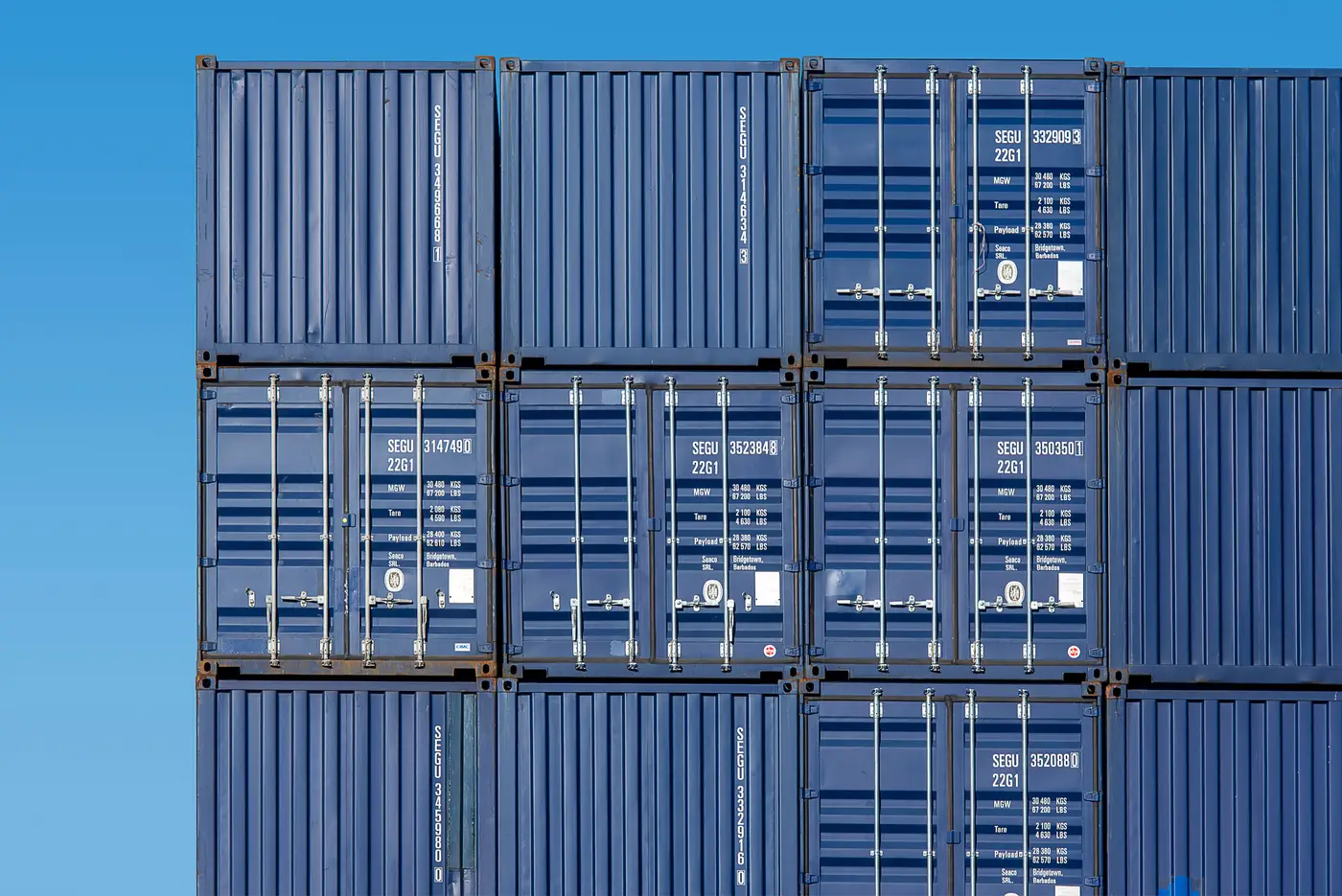
Block 14, bay 6 at one of the mid-sized transshipment terminals she tracks started stacking export boxes on a Tuesday. By Thursday it was full, eight-high in places, the kind of stack height that tells you someone's expecting a big lift. Problem was, there was no vessel against that bay in any schedule she could see. Not the carrier's own ETA page, not the port's berth plan, nothing in AIS showing a ship inbound that matched the service string those boxes belonged to.
The vessel finally appeared on the schedule five days later. A late slot swap, as it turned out, one of those quiet substitutions carriers make when a bigger ship in the rotation gets pulled for maintenance or a blank sailing further up the loop. Nobody announces these. They just show up as a changed vessel name against an unchanged voyage number, usually inside 72 hours of arrival.
Carriers make these swaps constantly, and most of the time they're immaterial to anyone outside the terminal. This one mattered because the yard knew before the schedule did. Cargo doesn't wait for a vessel name to be confirmed. Shippers book against a voyage, forwarders gate in against a cutoff, and the stack builds on the window regardless of whether the specific hull has a name attached yet. The physical yard is, in that sense, a leading indicator of its own schedule.
This is the thing that gets lost when people treat vessel schedules as the ground truth and yard occupancy as the thing that follows from it. In practice it runs the other way more often than you'd think. A bay filling early on a thin service can mean a slot swap nobody's published yet. It can mean a feeder consolidating ahead of a mother vessel that's running early off a prior port. It can mean a booking surge that outpaced the carrier's own capacity planning and they're about to roll cargo they didn't expect to roll. Any of those is useful to know before the schedule catches up, not after.
The habit worth building, if you're doing this kind of planning work, is to stop reading the yard as a downstream consequence of the schedule and start reading it as a parallel source. When a block fills faster than the booked vessel size explains, that's a question worth asking immediately, not three weeks later when the monthly throughput numbers come out and show a spike nobody predicted. By then the useful window, the one where you could have repositioned equipment or flagged a berth conflict, is long closed.
Official statistics are built for reconciliation, not for watching something happen in real time. They tell you what moved last month, accurately, eventually. They were never built to catch a bay stacking out five days ahead of its own vessel entry. For that you need eyes on the stack itself, daily, before the schedule has made up its mind. That's the gap Container Counting is built to sit in: a box count per block and bay, pulled from the same imagery every day, so a bay that's filling early shows up as a number changing, not as a surprise in next month's release.
If you've got a block doing something your schedule can't explain, it's worth a daily count before you wait for an answer to show up on its own.