Field notes: the week the yard blew past what the vessel schedule predicted
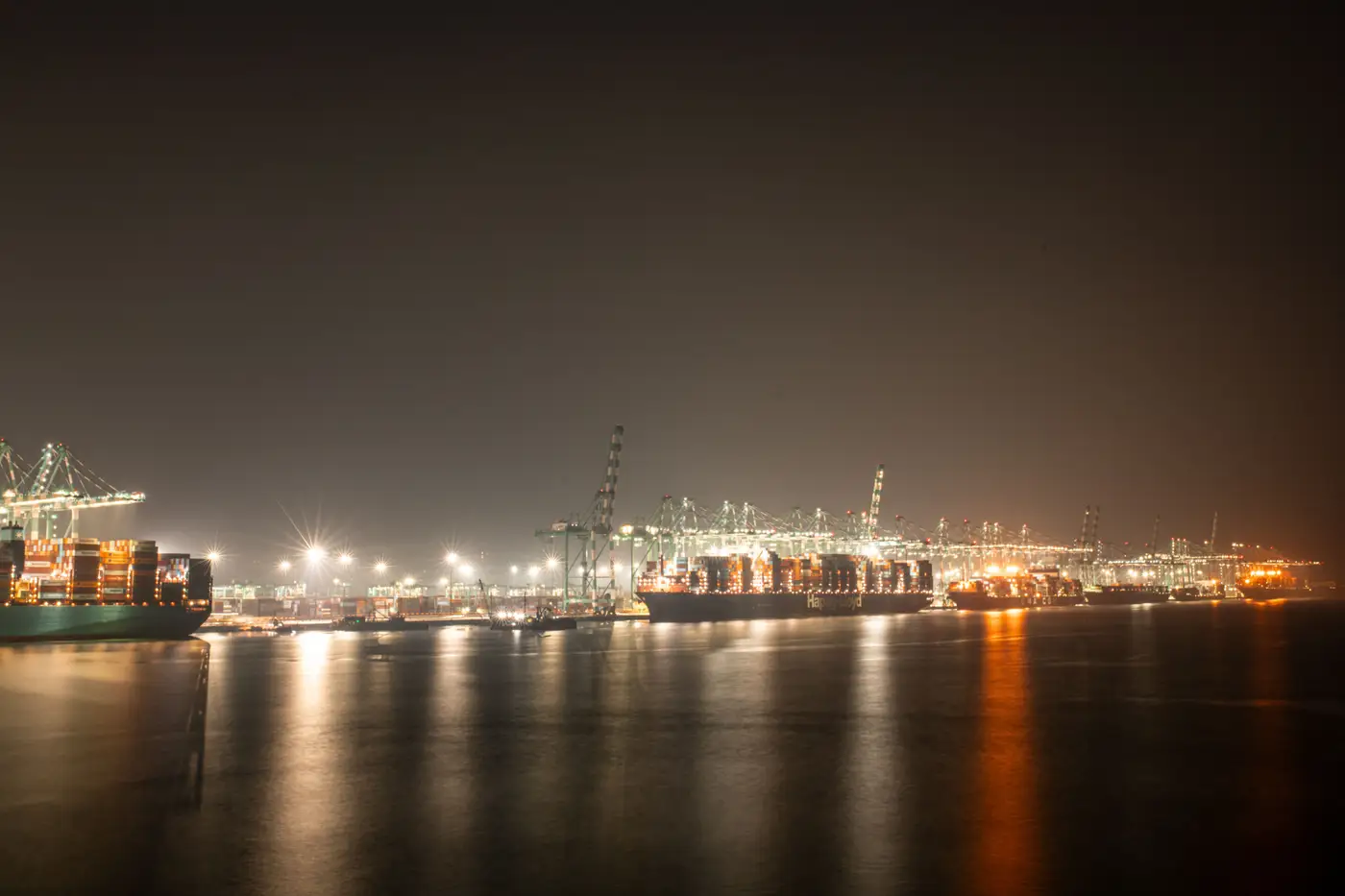
Three weeks ago our vessel schedule said the yard should be running loose. Two services had announced blank sailings for the following rotation, arrivals were spaced out on paper, and the planning team had budgeted for a quiet stretch on the import side. The stack told a different story.
By Wednesday of that week we were counting bays that had gone from four-high to six-high on the import side of the terminal, in blocks that the schedule had no reason to touch. Nothing in the berth window data explained it. No extra vessel had called. The boxes were already there, they just hadn't left.
This is the gap that official throughput releases don't show you until it's too late to do anything about it. A monthly TEU report tells you what moved over the port as a whole. It doesn't tell you that block C9 sat at ninety percent of its design capacity for four straight days while the chassis pool on the east side of the yard ran dry. By the time that kind of detail surfaces in a statistics bulletin, the congestion that caused it is ancient history.
What happened, as best we can reconstruct it, was a dwell-time problem stacking on top of a trucking problem. A handful of beneficial cargo owners had paused pickups over a holiday week inland, which is normal and usually gets absorbed without anyone noticing. But two vessels that had been delayed at a prior port both cleared customs and became available for pickup in the same three-day window, right as the trucking slowdown was at its worst. The vessel schedule had no way to flag that combination. It knows when ships arrive. It has no view of what happens to the boxes once they're on the ground.
We caught it because we were counting what sat in the yard, bay by bay, rather than inferring utilization from berth occupancy and AIS pings. AIS will tell you a ship is alongside. It won't tell you whether the boxes coming off that ship are moving through the gate or piling up three rows deep because nobody came to collect them. Those are two very different operational pictures that look identical from a vessel-tracking feed.
The cause doesn't matter much, because next month it'll be a different one. A rail ramp outage, a customs holiday nobody accounted for, a reefer plug shortage that backs up perishables in one corner of the yard while the rest looks fine. The pattern worth watching is that the yard runs on its own clock, and that clock drifts away from the vessel schedule more often than planning models like to admit. Vessel ETAs predict arrivals. They don't predict departures, and departures are the half of the equation that determines whether you have room.
Our planning team now treats box count as its own instrument, separate from the schedule, checked daily rather than reconstructed after the fact from gate transactions. It's a small habit but it changes the questions you ask in the Monday meeting. Instead of "are we on schedule," it's "which blocks are tightening and does the schedule explain why." Most weeks the two line up fine. The weeks they don't are exactly the weeks you want advance warning on, not a footnote in next month's port statistics.
If your own yard counts have ever run ahead of what the sailing list suggested, you already know how much lead time that gap can cost. Container Counting was built around that exact mismatch, reading the stack from imagery on a daily cycle so the box count per block shows up before the terminal's own numbers do. Worth a look before the next quiet week on paper turns out not to be quiet at all.