What is a bay plan for a container vessel?
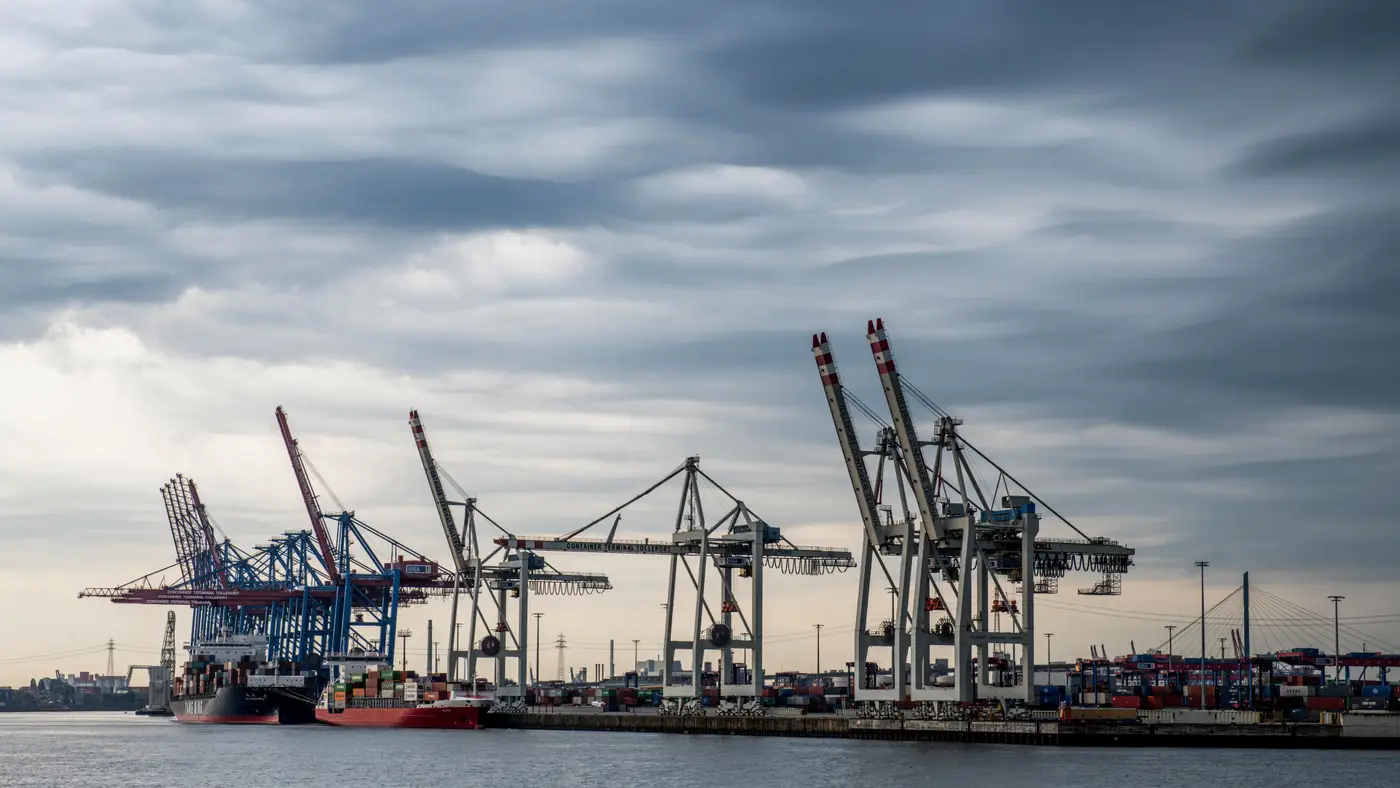
A bay plan is the diagram that shows where every box on a container vessel sits, by bay number, row, and tier. Pull one up and you'll see the ship broken into cross-section slices, numbered from bow to stern, each slice subdivided into rows (port to starboard) and tiers (deck up, hold down). Every stack position gets a coordinate, and every coordinate either holds a box or doesn't. That's the whole idea: a grid address for a 40-footer the same way a seat number works at a stadium.
Planners use the bay plan for a handful of jobs that have nothing to do with marketing or customer service. Lashing crews need it to know which stacks need extra securing gear before a vessel clears the breakwater. Hazmat coordinators use it to confirm segregation distances between an IMO class 3 box and whatever's three bays over. Stability and trim calculations run off the same grid, because a vessel loaded heavy forward or listing to one rail is a vessel that burns more fuel and handles worse in a seaway. And discharge sequencing at the next port depends on knowing exactly which bay to crack open first so the crane doesn't have to dig.
Bay plan vs stowage plan
People use these two terms almost interchangeably at the terminal, and in casual conversation that's fine. On paper there's a distinction worth knowing if you're reading documentation from a line or a planning system.
The stowage plan is the broader document, usually produced before loading starts. It's the planner's proposal: this box goes here, that reefer plugs in at this bay because the power points line up, this stack stays empty for weight distribution. It covers intent and sequencing across the whole call, sometimes across multiple ports on the string.
The bay plan is narrower and more literal. It's the as-loaded (or as-intended-to-load) snapshot, bay by bay, usually generated or updated via EDI messages like BAPLIE that terminals and lines exchange. If the stowage plan is the plan, the bay plan is closer to the manifest-grade output: here is what is physically in this slot, right now, on this voyage.
In practice, most people working dockside say "bay plan" for both, and nobody corrects them. A stowage plan can be aspirational, drafted before the gangs even start loading. A bay plan, especially a BAPLIE message exchanged with the terminal, reflects what's actually aboard once loading wraps.
Why the bay plan isn't a yard inventory
Here's where it gets relevant if your job is tracking terminal throughput rather than vessel operations. A bay plan tells you what's on a ship. It does not tell you what's sitting in the yard, how many bays are stacked to capacity on block 4, or whether that reefer row behind the transit shed is still full from last Tuesday.
The bay plan is vessel-side documentation. Yard utilization, block-by-block stacking height, and quay-side dwell are a separate problem entirely, and they're the numbers that drive a terminal's day-to-day capacity decisions. A line's bay plan gets updated by the planning team and exchanged through EDI. A terminal's yard count, if it exists at all outside the TOS, usually comes from gate transactions and RTG moves logged hours or days after the fact.
That gap is the whole reason a lot of capacity planning still runs on gut feel and last month's official throughput release. If you want a daily read on what's stacked block by block, independent of whatever the bay plan says should be aboard, Container Counting counts the boxes from overhead imagery and hands you a count per block and bay, refreshed daily.
If your planning cycle has been waiting on monthly port statistics to tell you what's already sitting on the quay, it's worth seeing what a daily count looks like instead.